
How long does eyewear development take?
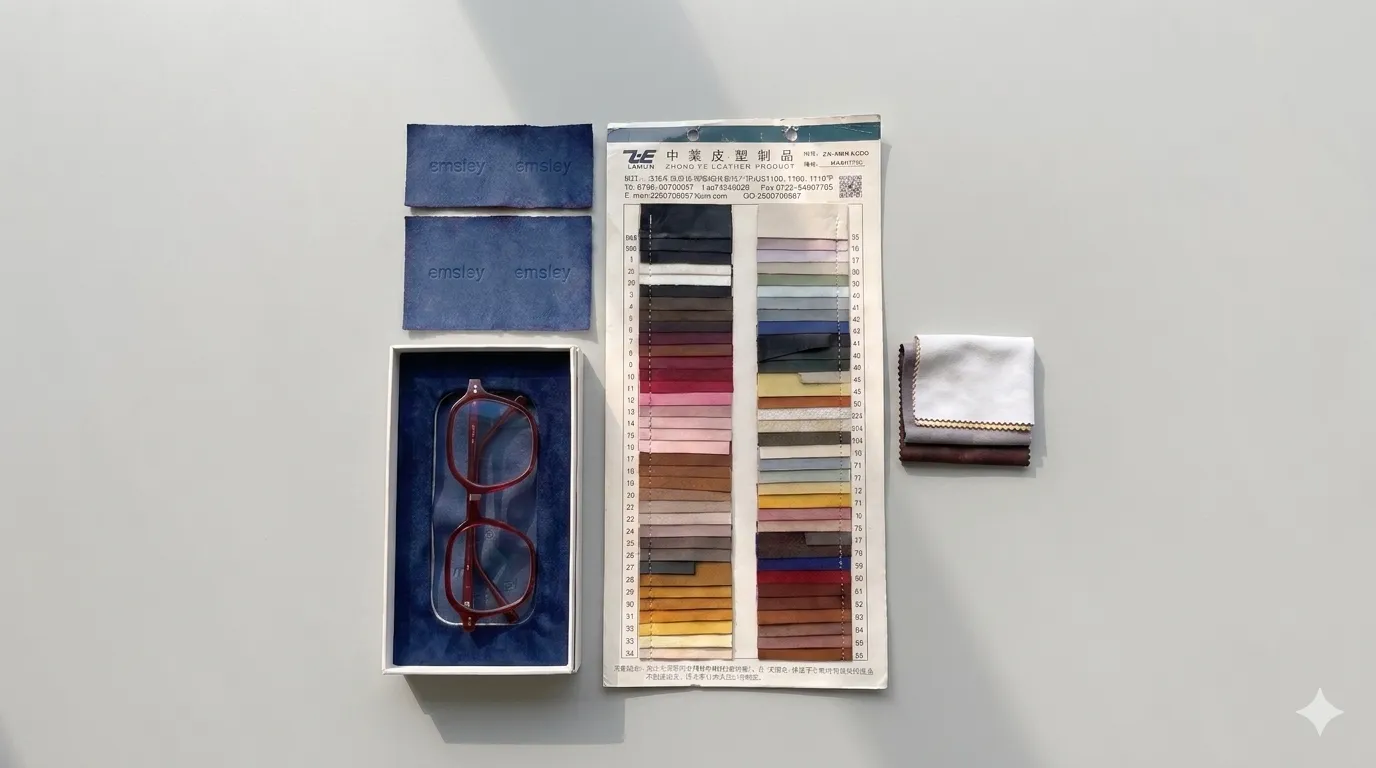
A sketch gives an eyewear collection a direction. Developing it into a product means resolving many smaller decisions: how the bridge sits, how the temples open, how a colour reads in the chosen material, and how the finished frame fits inside its case.
For a fashion brand or an optical retailer developing its own line, clear milestones help organise that work. Each stage should produce something you can review and approve, with a record of unresolved decisions.
1. Define the collection before drawing the details
The first brief should explain the customer, sales channels and eyewear's role in the range. Bring existing products, customer feedback and references that show the brand's character.
Agree the intended retail position, opening assortment and approximate quantities. Three models in several colours create more individual products to approve and manage than a single launch frame. Make that choice deliberately.
An optical retailer can contribute fitting experience and gaps in the current assortment. A fashion brand may begin with its best-selling shapes, colours or material combinations as creative references.
The milestone is an agreed written brief. It should give everyone the same basis for judging later decisions.
2. Translate the idea into a technical design
Concept work explores silhouettes, proportions, materials, colourways and branding. Technical development then makes those choices precise enough to discuss with the people producing the frame.
Drawings need to communicate dimensions, construction details, hardware and logo placement. Discuss lenses, intended use and any prescription requirements too. Ask the development team to identify which details remain provisional.
Review proposed changes against the original brief. If a decorative element creates difficulty in production, consider whether its size, placement or construction can change while preserving the character you wanted.
At this milestone, approve a defined design direction and a specification for sampling. Keep reference images separate from requirements so a factory can tell which details are essential.
3. Learn from physical prototypes
Samples let you evaluate questions that drawings leave open. Wear the frame, look at it from several angles and review it alongside the rest of the brand's products.
Ask what the sample represents. An early shape prototype may help assess proportions while leaving material, finish or hardware unresolved. Record those limitations before giving feedback, so approval of one feature is not mistaken for approval of everything.
Use a consistent review sheet covering fit, weight, alignment, hinge movement, colour, surface finish, lens appearance and branding. Involve a small group with clear roles, including retail staff where relevant. Consolidate their observations into one numbered revision list.
Give precise feedback: identify the pressure point or mark the logo position on a photograph. Ask the development team to propose the technical correction rather than issuing conflicting fixes from different reviewers.
Each round should resolve named questions. Agree how additional sample rounds are handled and keep the approved version distinguishable from earlier samples.
4. Develop the packaging alongside the frame
The case, cloth and outer packaging need their own decisions and approvals. Starting them while frames are being refined creates time to check the complete product together.
Try the actual folded frame in the proposed case. Check closure, clearance and ease of removal, as well as the presentation. Review colours and finishes using physical references where possible.
Bring warehouse and retail requirements into the discussion: product identifiers, barcodes, packing configuration and where information will appear. The milestone is an approved packaging specification, with a clear record of which frame and colourway each component belongs to.
5. Sign off the production specification
Before authorising production, bring the approvals into one controlled set of documents. Confirm the final frame specification, lenses, colour references, branding, packaging, quantities and delivery arrangements.
Resolve any difference between the physical sample and written specification. If the sample has a known exception, describe it explicitly and agree how the corrected result will be verified.
Confirm the testing and documentation plan for the product and its intended markets with the appropriate specialists. Agree inspection criteria, how changes will be authorised and who can release the order for shipment.
This milestone should leave a clear reference for the product the brand has agreed to buy.
6. Check production and prepare delivery
Production oversight should connect the approved reference to the finished batch. Ask when checks happen, how findings are reported and how departures from the specification are handled.
Leave room in the plan to resolve issues. Record whether affected units need correction or replacement, who will verify the result, and what it means for shipment.
Before despatch, reconcile the quantities by model and colourway. Confirm packing lists, carton information and the receiving instructions with your warehouse or retail partners. Prepare product information and customer-care guidance in time for the team selling the collection.
After launch, keep a record of fit feedback, defects and repeat-order requests. This gives the next production run a concrete starting point.
What determines the development timeline?
The schedule depends on how much is being developed, what each sample reveals and how quickly decisions are made. Work backwards from launch, separating delivery from the earlier approvals it depends on.
Whether the designs already exist makes the biggest difference. Refining ready designs through sampling and production is a shorter project than developing new silhouettes from a brief. Our Beyond the Vines case study started from the brand's aesthetic rather than finished drawings, and took three sample rounds and about a year from first sample to launch. A new collection needs its own schedule.
A practical sign-off checklist
- Brief: customer, assortment and commercial direction agreed
- Design: drawings and sampling requirements approved
- Samples: revisions resolved and reference version identified
- Packaging: fit, appearance and product information checked
- Production: specifications, quantities and inspection plan confirmed
- Delivery: shipment documents and receiving arrangements reconciled
Emsley coordinates eyewear development across frames, lenses, packaging and logistics. Read our process for a closer look at the work, or tell us about your collection.